

If you’re living in the United States, you know what season we’re in. Political campaign ads are running nonstop on social media and television. Candidates are sending fundraising text messages multiple times a day. We have now reached the point where candidates are running ads to denounce their opponent’s ads and not just their policies.
It’s an understatement to say that we are leading in a challenging political climate. In some congregations, making too many references to current events and political issues results in angry emails and voicemails telling us to “preach the Bible, not politics.” In other congregations, if we don’t mention these topics, our preaching will be critiqued as being irrelevant — even though there are other subjects worthy of our theological and homiletical attention.
We aren’t telling people which candidates to support, but wise pastoral leadership still is especially meaningful now. Congregations are bitterly divided over issues like the economy and immigration, and some people feel afraid and angry as prices rise and jobs are cut. It can be hard to know what to do, but our actions (or inactions) bear witness to the faith we profess.
When preachers connect the biblical text to what’s happening in people’s everyday lives, it helps listeners hear the gospel above the rancor that characterizes so much of today’s political discourse. It’s so important not to lose the courage to speak about the issues that matter. Every sermon and Bible study is an opportunity to cast a vision about what it means that “God so loved the world…” (John 3:16a)
Perhaps you know people who say they do not plan to vote because they don’t think their vote matters. As tempting as it is to take the path of cynicism, Christians are called to be the salt of the earth and the light of the world. So, this midterm season, remind folks to “seek the welfare of the city” (Jeremiah 29:7) and to live in hope before and after the ballots are counted.
Resources

Ensuring access to the polls is a sacred cause
A national coalition of faith organizations is working to protect the freedom to vote. Faiths United to Save Democracy is already geared up for this year’s elections.
By Adam Russell Taylor
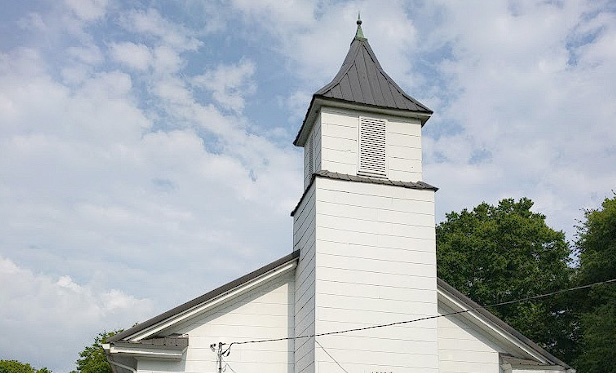
Six ways small churches can help us stay human during election season
Small churches may seem irrelevant during critical elections of international consequence. But these local congregations have much to teach us about staying human, says a Quaker pastor.
By Andy Stanton-Henry

What do you pray for before an election?
Faith & Leadership asked various faith leaders from multiple backgrounds to help lead us in prayer before another watershed U.S. election.

What does it mean to follow Jesus in a divided America?
Our ultimate goal isn’t winning an argument or even an election but bringing healing to a suffering world, writes a journalist and author.
By Bekah McNeel
Before you go…
Regardless of one’s political perspective, this moment matters. In my view, we have a sacred responsibility to keep people informed and engaged with the political and public policy decisions that often profoundly impact the most vulnerable groups in our communities. I hope we seize the opportunity to put our faith into action.
You can always reach me and the Alban Weekly team at alban@duke.edu. Until next week, keep leading!

Prince Rivers
Editor, Alban at Duke Divinity
Lilly Endowment Inc. announces Serving Neighbors Initiative

Lilly Endowment Inc. invites eligible charitable organizations to submit concept papers for its Serving Neighbors Through Congregational Collaborations Initiative. The initiative supports efforts to help Christian congregations and local charitable organizations build relationships, identify community priorities, and design lasting collaborations that improve life for individuals and families. Projects might address housing instability, youth opportunities, parks and outdoor recreation, mental health, or other locally identified needs.
Approximately 60 charitable organizations with promising concept papers may receive planning grants of up to $50,000. Those selected may then apply for implementation grants of up to $5 million to carry out their programs.
Concept papers are due by January 19, 2027. Learn more about the guidelines for submitting concept papers at the Serving Neighbors webpage.