

Alban Weekly will resume publication on January 5, 2026.
We live in a golden age of storytelling. People in our congregations consume and create stories at an unprecedented rate through podcasts, streaming series and social media posts. But if we are rooted in stories, then why do many church leaders still rely on bullet points and mission statements to cast vision?
Perhaps it’s time we recognized that congregations aren’t changed by glossy strategic plans. They are inspired by the stories of who we are and who God is calling us to become.
Jesus told stories. He used parables that turned hearts, challenged assumptions and revealed the kingdom of God. The Scriptures are a compilation of stories told and collected over many generations. Two millennia after Jesus, the most effective ministers are still those who understand what he knew: stories don’t just communicate truth — stories create community, inspire action and transform lives.
New leaders are wise to listen to the narratives that have shaped a congregation throughout its history. When was the congregation at its healthiest? Has the congregation been through major collective trauma? How does the church see its place in the community?
As a leader, you must also be sure to ask what story a new initiative is communicating. If people don’t know why something happened and how the change fits into the larger story of what God is doing in the church, they will fill in the missing information with their own version of the facts. And those kinds of stories can be more powerful than the truth, so you must be on your guard.
Finally, even after we have served in one context for a while, it is good to intentionally notice and name the people, activities and practices that reflect who God is calling the congregation to become. These are the building blocks of good stories.
Resources
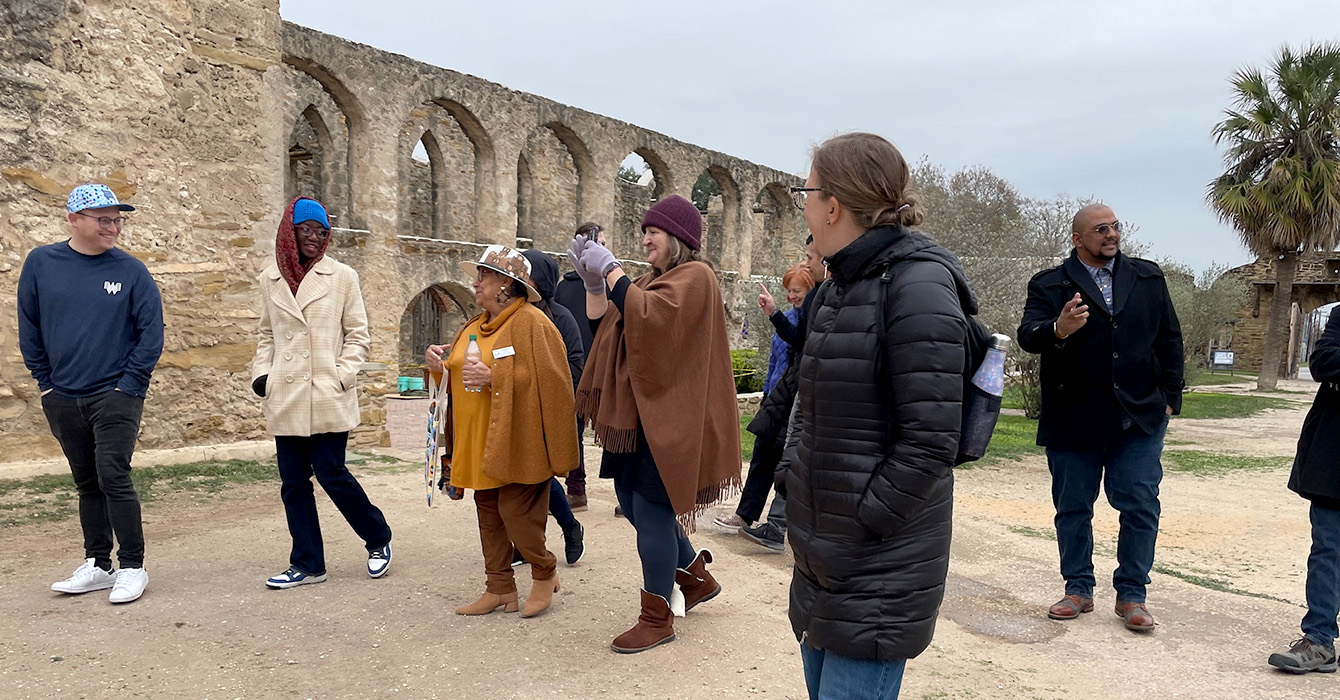
Storytelling can change what we believe is possible in our communities
Ethical storytelling involves letting your subjects have power too, says a director of storytelling.
Q&A Elizabeth Le’anani Coffee
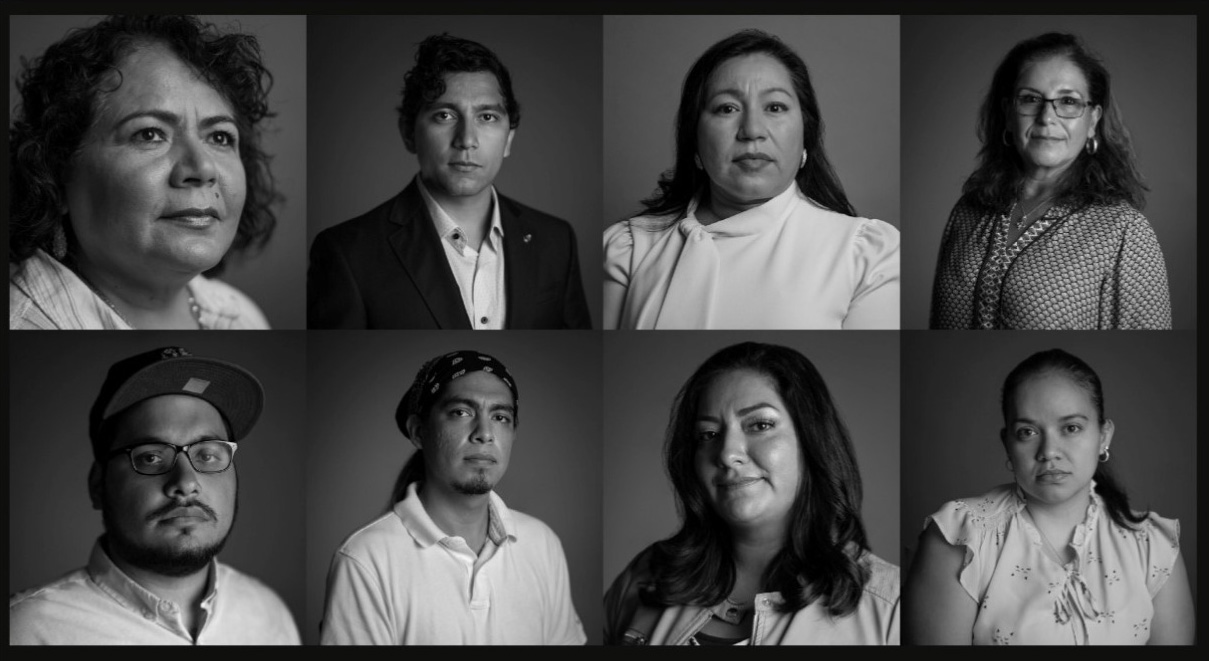
Events and books help undocumented immigrants tell their stories
A Texas seminary shares the stories of immigrants as a way of breaking down barriers and building better lives for immigrants in the U.S.
By Mónica Tornoé

Ditch the hero narrative and tell a story about your community
Telling a story about your organization that focuses on its place can help motivate and inspire people to return to the pews, writes a professor at Trinity Christian College.
By Craig Mattson

Why storytelling matters
When the church uses storytelling, it becomes a shared space where each person is a part of history, writes a poet and author.
By Carolina Hinojosa-Cisneros
Before you go
Storytelling isn’t just a nice addition to our leadership toolkit. Storytelling is an essential element of leading organizations today. Esther Choy, founder of Leadership Story Lab, says in a Forbes piece that crafting great stories comes down to three key skills:
- “Ask crazy good questions. What questions will help your team discover their own stories?
- “Be curious. What stories can help you and your team connect? What are your passions? What are their passions?
- “Practice empathy. What is your team experiencing? How can you reframe their experiences using a metaphor, analogy or a story to help them shift their perspective?”
God has graciously invited us to participate in the co-creation of a story of redemption and hope. Let’s lean into that invitation and call our people to imagine new and better stories. Long after people forget what’s in the strategic plan, they will remember the story.
You can always reach me and the Alban Weekly team at alban@duke.edu. Until next week, keep leading!

Prince R. Rivers
Editor, Alban at Duke Divinity