
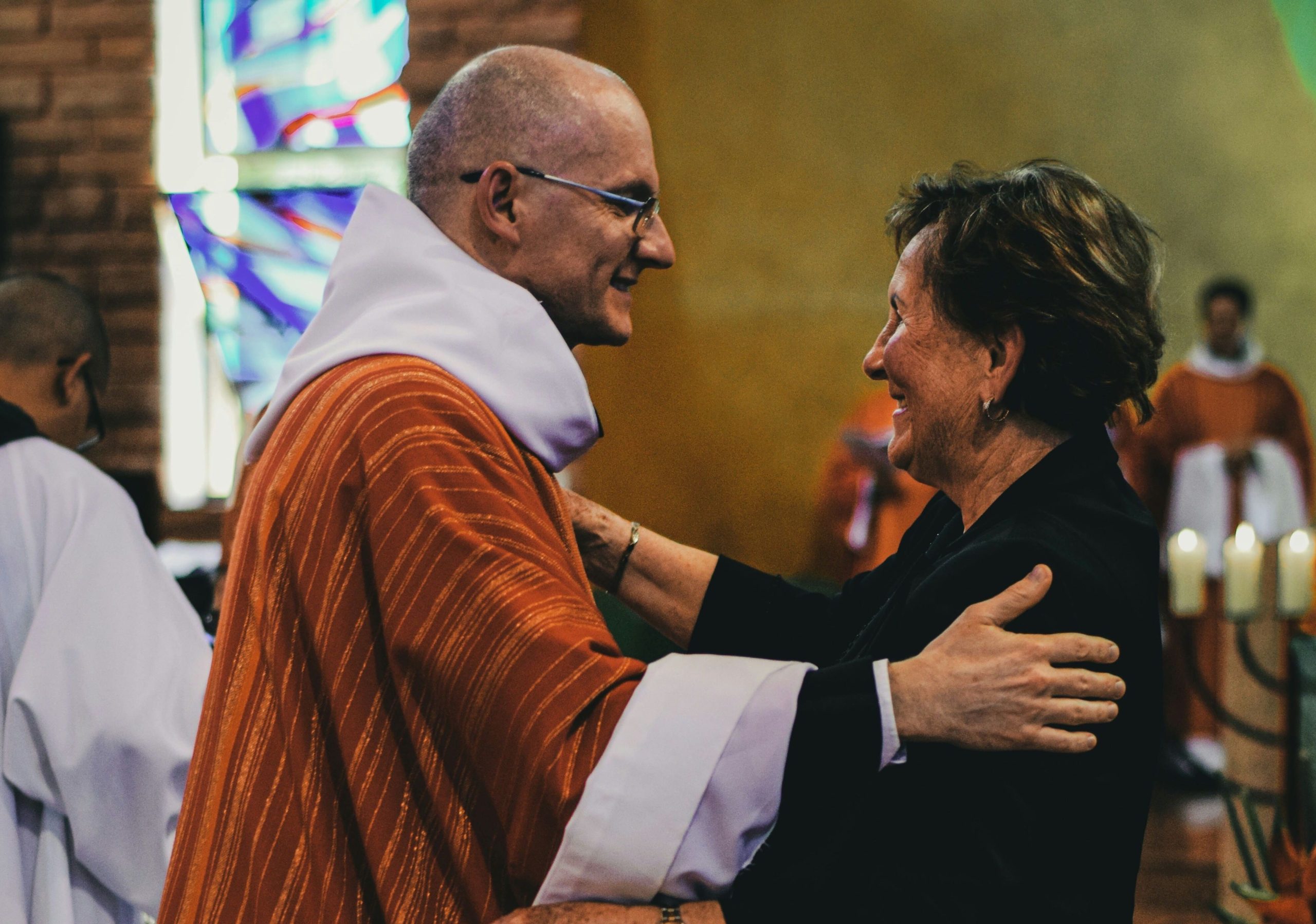
New pastors think differently. They approach their work with an intentionality that comes from knowing they won’t have another opportunity to make a first impression. Sometimes called a “honeymoon period,” this season only lasts for several months, maybe a year.
But what if we could adopt the mindset of a new pastor even after we’ve served a church for years? How might this reinvigorate our sense of call without moving to a new church?
When a new minister comes to serve a church, there are questions they must ask that are helpful for all of us to revisit. First, who needs to be heard? In most congregations, there are people waiting to be heard. They are part of the congregation, but their gifts are not being used. They have ideas, but they have not been around long enough for someone to trust their ideas. What if we didn’t wait until the next new pastor arrived and extended an invitation to those who feel like they haven’t been heard?
Second, what can you celebrate this Sunday in the pulpit? New pastors are wise to celebrate every good thing they see. This sounds simple enough, but after a while it’s easy to overlook the ministry of celebration. We know what needs to be fixed and improved, but what’s going well? How are we living already into our calling as the body of Christ?
Third, what do you need to learn? New pastors are clear about one thing: they know very little about the church. It’s crucial they spend their time learning about the people, the history and the hopes of their new community. Even after we’ve served for years, we can learn a lot as ministers if we step back and reflect on the skills and perspectives we need to lead faithfully.
Resources

Coffee hour and the beauty of lingering with one another
Instead of being driven by efficiency and urgency, what if we slowed down and made space for transformation? writes a PCUSA minister.
By Mihee Kim-Kort

Why listening is the faithful start to strategic leadership
Intentional listening is a form of spiritual discernment that helps us co-create with one another and with God.
By Elizabeth Tamez Méndez

How to think about long-term viability in the face of urgent needs
Five questions centered on mission and vision can help organizational leaders find clarity about the sustainability of their work, writes the executive director of Leadership Education at Duke Divinity.
By David L. Odom

Leading with a beginner’s mind
Acknowledging that we don’t know and have much to learn is essential for clergy and other leaders moving into new positions with new requirements.
By Nathan Kirkpatrick
Before you go
It’s been my joy to serve four amazing congregations. Each community has taught me valuable lessons about pastoral ministry and leadership. As a new pastor, I tried to bring the insights gained from previous congregations, but often the skills I needed in the new context were different or needed to be refined.
The longer we stay at a church, the more the church evolves. As it does, I’m learning that we need to think of ourselves as a new pastor all over again. I need to look for people who are on the sidelines and invite them into the center. I need to take note of people who may not volunteer, but who have a lot to offer. And I need to reflect on what I need to learn.
Sometimes you don’t have to go anywhere to be a new pastor. You can be a new pastor right where you are if you start thinking like one.
You can always reach me and the Alban Weekly team at alban@duke.edu. Until next week, keep leading!

Prince R. Rivers
Editor, Alban at Duke Divinity