
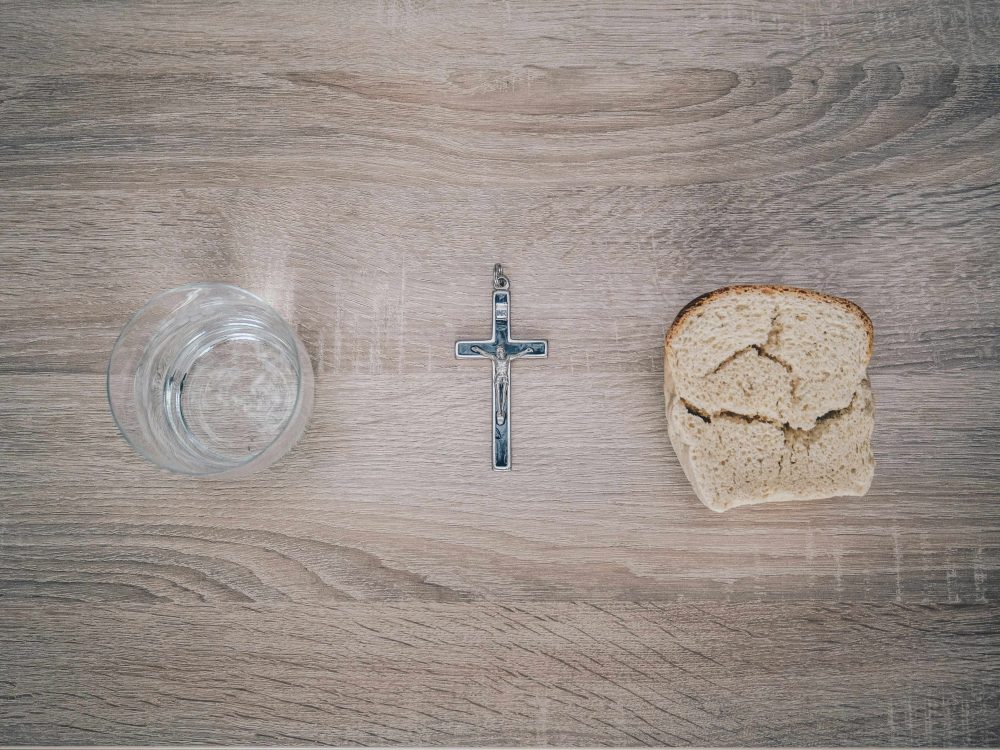
The human soul craves presence. We long for moments of undivided attention with God, with loved ones and with ourselves. Yet we check our phones up to 205 times a day, once every seven minutes. We fragment our focus into countless disconnected moments.
Technology and social media are not our only distractions. How many times do we lose concentration during prayer because we start thinking about the grocery list, what happened at work, or the phone calls we need to make?
Distraction isn’t just a personal productivity problem or a generational quirk. Distraction is a spiritual dilemma. People want a genuine encounter with God and then find themselves unable to sustain attention long enough for that encounter to unfold. Ministry today happens within the context of the “attention economy” in which human focus is viewed as a commodity to be captured and monetized. Amidst these competing forces, how can we train our attention and that of those we lead on God?
Lent is an ideal time to reflect on the spiritual practices that help us reclaim our capacity to pay attention. Simone Weil, in a letter to a poet friend, wrote, “Attention is the rarest and purest form of generosity.” Spiritual practices like silence, Sabbath, fasting and lectio divina help strengthen our capacity for sustained focus. Practices that involve physical activity, like singing, corporate worship and prayer, and even exercise can restore our attention to the mind and body.
What we pay attention to shapes what we become. Our focus influences what we worship. The church cannot mirror the culture’s frenetic pace and then hope for the best. Let’s call people back to the sacred practices that nurture the human spirit. Let’s slow down and exchange productivity for transformation. It’s what our souls need.
Resources

Finding abundance in our connection with God and one another
It is especially important in difficult times to understand what an authentically abundant life is and to engage in spiritual practices to sustain it, writes a psychologist who focuses on faith and mental health.
By Jessica Young Brown

Coffee hour and the beauty of lingering with one another
Instead of being driven by efficiency and urgency, what if we slowed down and made space for transformation? writes a PCUSA minister.
By Mihee Kim-Kort

Christian practices and a way of life abundant
The influential book “Practicing Our Faith” and other works it inspired continue to be pertinent today. A new website invites a new generation to explore Christian practices vital to faithful living.
Q&A with Dorothy C. Bass

Worship can be boring, and that’s OK
Making worship productive misses the point and submits to the logic of capitalism, says the pastor and author.
By Melissa Florer-Bixler

Could slowing down help us both recharge and build endurance?
When runners train for a race, they are told to spend most of their time preparing at a slower pace to help them speed up when needed. The strategy offers important lessons for how we approach our work and life, writes the director of communications for Leadership Education at Duke Divinity.
By Emily Lund
Before you go
I know that not everyone feels the way I do, but Lent is one of my favorite seasons in the Christian year. It may sound odd say that I enjoy a season set aside for repentance, but what I appreciate about Lent is experiencing how the congregation unifies around a set of intentional spiritual practices. We make ourselves slow down. We pay attention. At our church, we schedule fewer meetings. We block space on the church calendar and adapt our schedule to a different pace.
It’s easy to say that we should do this all year long, but since we don’t, we take the time during Lent to remember what’s most important. This year, I’ve been hearing some of most active volunteers talk about getting more rest. I like the sound of that. Paying attention is hard to do when you’re exhausted. How will you challenge your people to pay attention as we take our annual pilgrimage to the cross and the resurrection?
You can always reach me and the Alban Weekly team at alban@duke.edu. Until next week, keep leading!

Prince R. Rivers
Editor, Alban at Duke Divinity