

There is a moment in nearly every worship service when something shifts. The announcements have been read. The offering has been taken. And then, voices rise. This is not the prelude to chaos. This is the opening of a song. And for a few minutes, the congregation becomes something more than a gathering of individuals. They become, however briefly, a we.
Music is not ornamental. It is not the warm-up before the real thing. In the biblical tradition, song is one of the primary ways human beings engage with what is too large for prose. Music carries lament and praise, confusion and trust, confession and thanksgiving, often in the same verse. When Miriam led Israel in song after crossing the sea, she wasn’t summarizing what had happened. She was punctuating it, as if God’s work wasn’t complete until someone sang.
Ultimately, what a congregation sings is what a congregation believes. Songs form us before we know they are forming us. A child who grows up singing “Great Is Thy Faithfulness” is bathed in a theology of providence before they can define the word. A young adult whose first real encounter with grace happened in a chorus of “Reckless Love” carries that encounter in their body, not just their memory.
This is why the music we sing is never just about preference. It is about formation. It is about which voices get to speak to the congregation’s deepest places. The leadership challenge, then, is not to settle the style debate. That debate is largely unanswerable, and the energy spent on it is usually disproportionate to the fruit it produces.
The leadership challenge is to ask a different question. Is our music telling the story of God’s redemptive love, cultivating community and inviting people to respond to the call to follow Jesus? The music that does this ministers to the soul of the congregation.
Resources

Black music is a form of God’s grace
A jazz musician and theologian reflects on the lessons that Black music can offer the church and the world.
Q&A with Julian Davis Reid
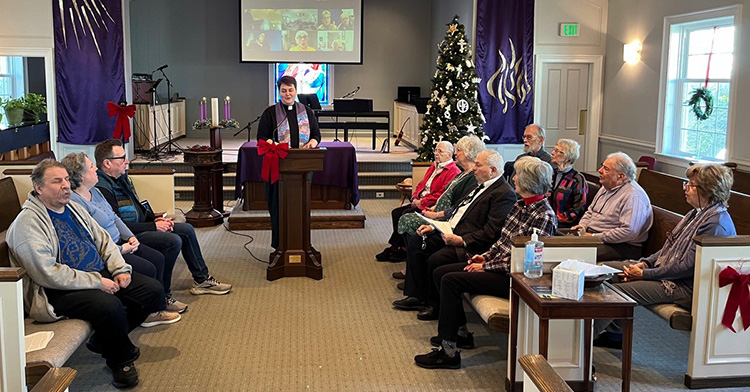
When songs become sermons — a different way of preaching
No longer able to sustain a choral program and facing clergy overload, members of a Maryland congregation now tell the old, old story by leaning into music, their pastor writes.
By McKenna Wallen
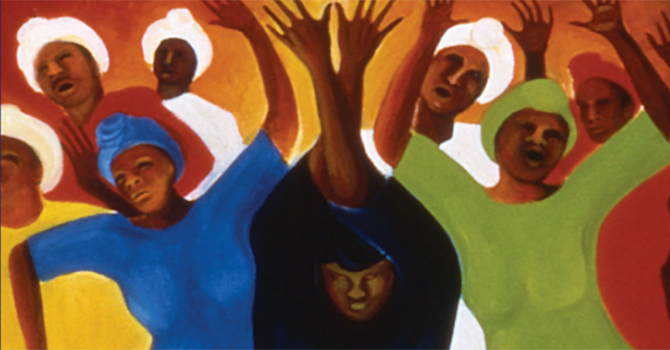
Spirituals teach us about suffering before God
African-American spirituals have given voice to people for whom “Lent was life,” says the dean of Duke Chapel, who has written a new book called “Were You There? Lenten Reflections on the Spirituals.”
Q&A with Luke A. Powery
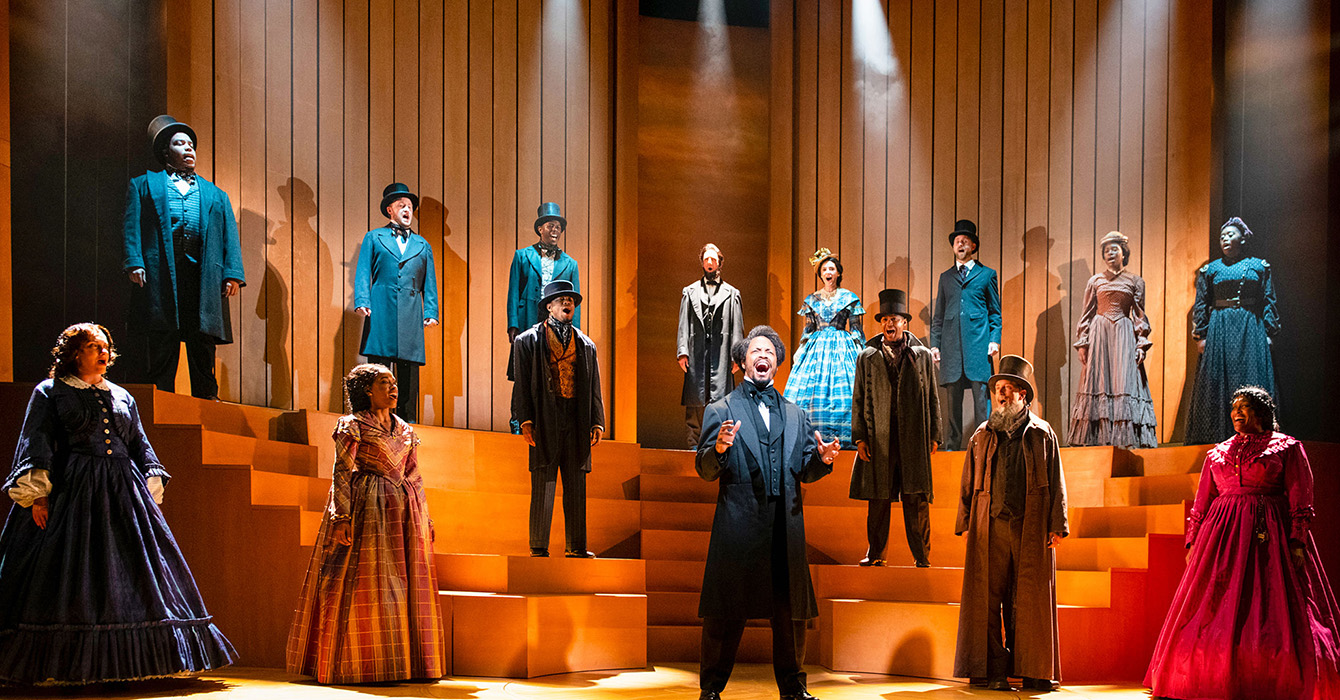
A musical about Frederick Douglass explores the prophetic
“American Prophet” connects spirituality and the arts at a profound moment in history.
By Stephanie Hunt
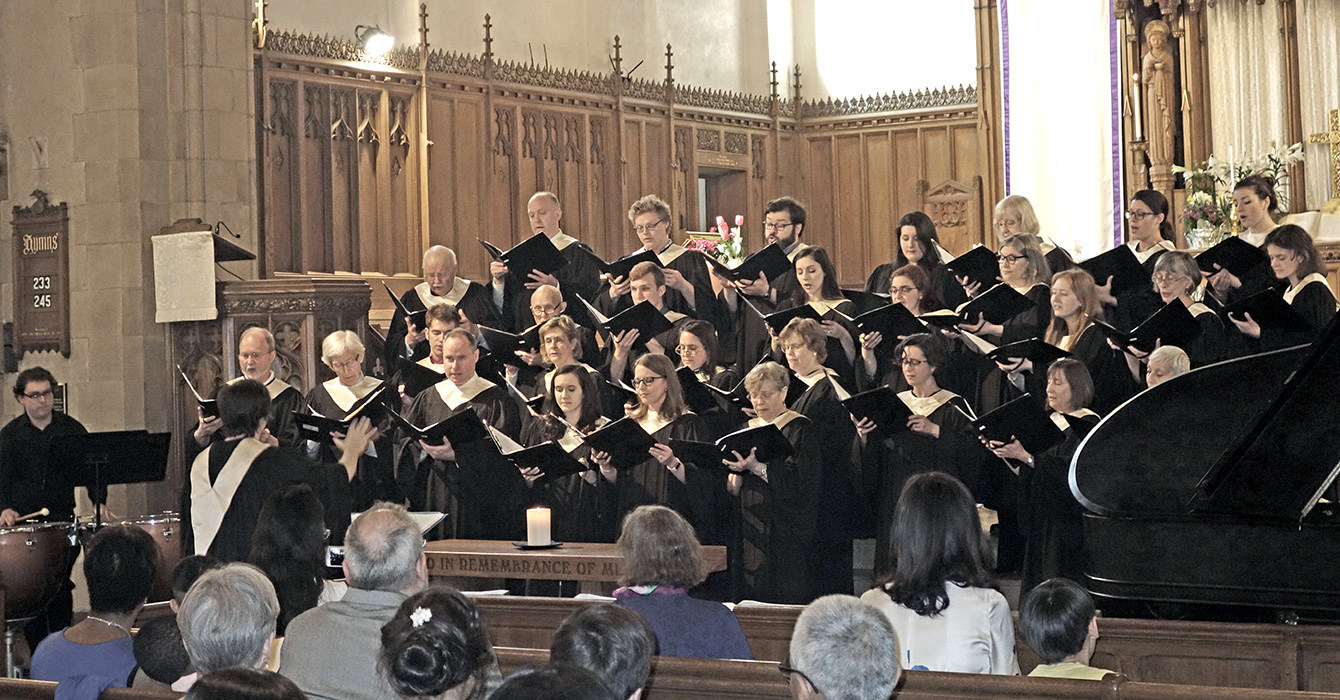
Remembering the enslaved Black creators of Negro spirituals
A Massachusetts congregation will be paying “royalties” to local arts nonprofits to acknowledge the musicians who were never compensated.
By Susan DeSelms
Before you go
Here’s a quick exercise for you to consider. List the songs your church has sung in the past month. What theological themes do you hear in them? How do the songs communicate the gospel? In what way do the lyrics describe the character of God and the life of discipleship? This might be a helpful exercise for a leadership team, a youth ministry or a young adult group.
As you notice what the songs are saying, you might also ask what’s missing. If music is the soul of the congregation, it might be worthwhile to ask the question John Wesley used to open small group meetings. How is it with your soul?
You can always reach me and the Alban Weekly team at alban@duke.edu. Until next week, keep leading!

Prince R. Rivers
Editor, Alban at Duke Divinity