
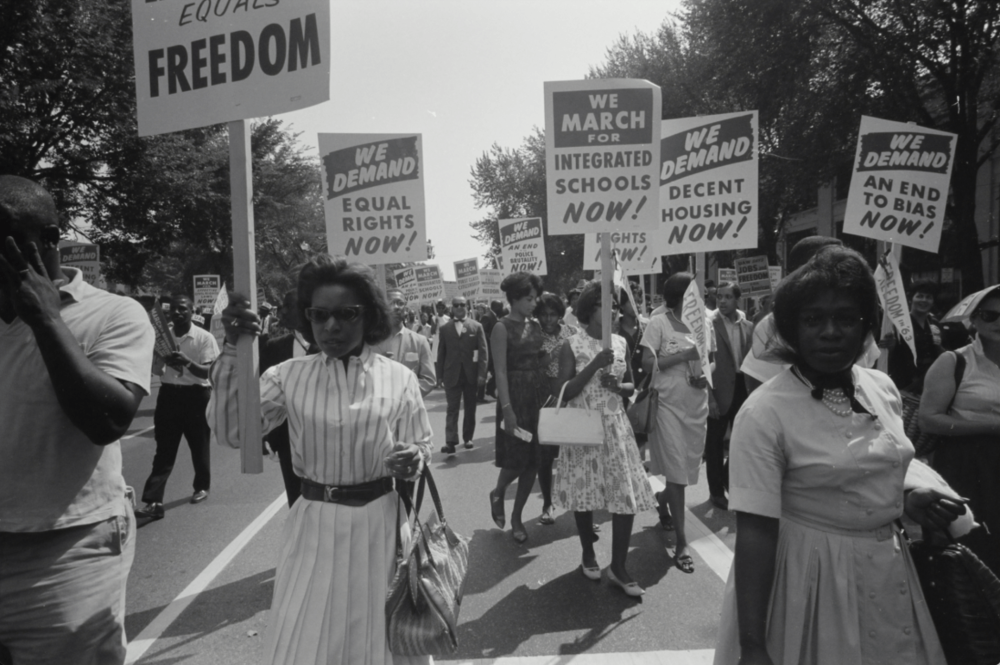
One of the most influential ideas in the Rev. Dr. Martin Luther King Jr.’s “Letter from Birmingham Jail” is the idea that humanity is bound together and interconnected for good or for ill. “Us” versus “them” is an illusion. King wrote, “Injustice anywhere is a threat to justice everywhere.”
As King sat in a southern jail cell, he did not want people to think that the push for civil rights only concerned a single segment of the American populace. The second half of King’s quote is, “We are caught in an inescapable network of mutuality, tied in a single garment of destiny. Whatever affects one directly, affects all indirectly.”
As Christian leaders who serve in an increasingly polarized world, it is critical that we take King’s words to heart. Our “network of mutuality” can be seen in a variety of ways. Wildfires in one part of the country eventually influence the price of produce for the rest of the country. Within our local communities, we all drink from the same water supply. We eat food harvested at the same farms. But King wasn’t just talking about supply chains and ecology. He meant that the suppression of voting rights in one state weakens democracy everywhere. When children go hungry in one neighborhood, our entire community’ s moral fabric frays.
But in some congregations, justice is not an easy topic to teach and preach. We may not want to upset big donors, or we may want to avoid conflict. King, an ordained Baptist minister who was deeply grounded in Scripture, put justice in the forefront because it was the only way he could be faithful to Jesus Christ. As we remember King, let’s reflect on his call for justice and not just his dream, so that we can discern ways to bear witness to God’s justice in the world.
Resources
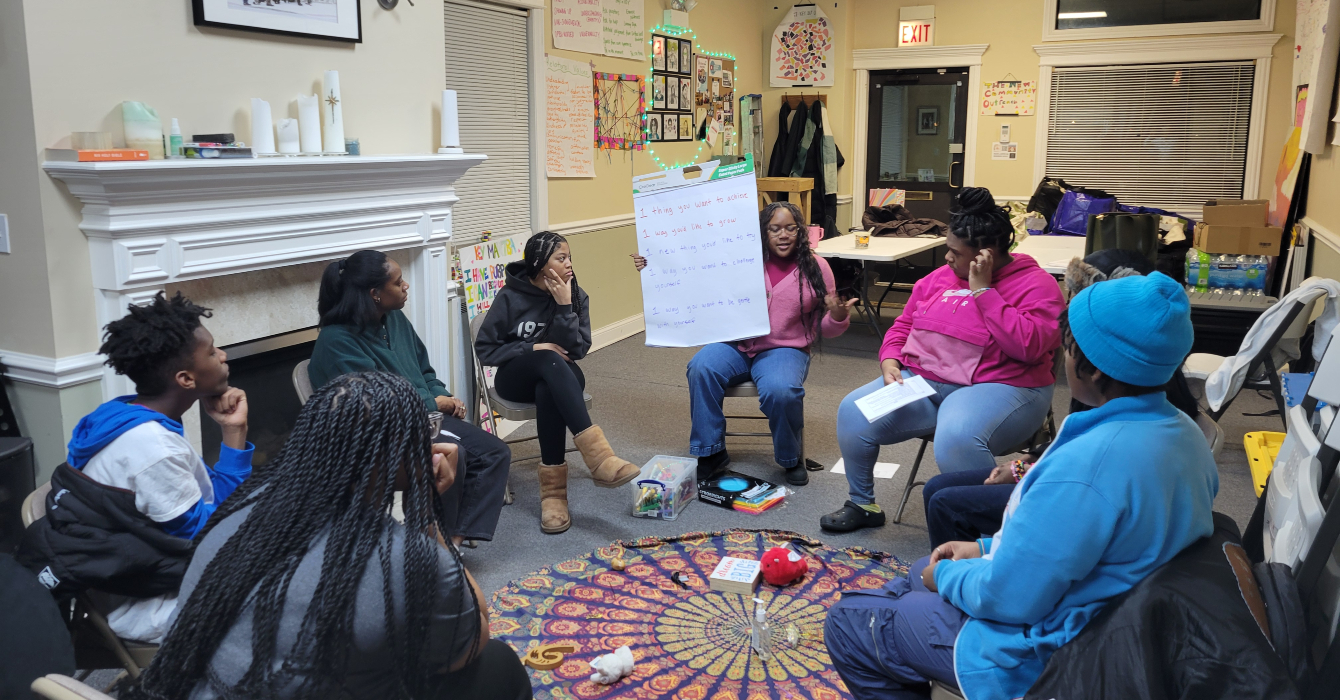
Restorative justice practices teach high school students to share stories and resolve conflict
A nonprofit hosts conversation circles in schools as part of its commitment to healing trauma and preventing violence in Chicago’s Bronzeville community.
By Alison Bowen

What we can learn from the contemplative heart of the Civil Rights Movement
Howard Thurman and other civil rights leaders modeled how contemplation fuels action and action fuels contemplation.
By Michelle T. Sanchez
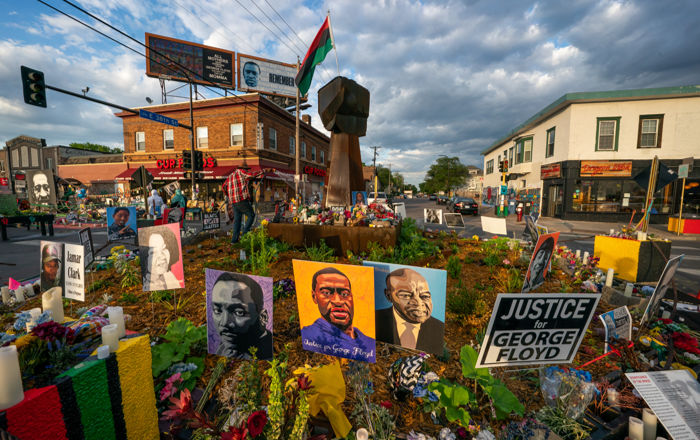
In Minneapolis, the struggle for justice continues five years after the murder of George Floyd
The issues of inequality from well before the death of George Floyd in 2020 have persisted, but the tools to dismantle oppression remain at the heart of the gospel, say two Minneapolis pastors.
Q&A with Tyler Sit and Dana Neuhauser
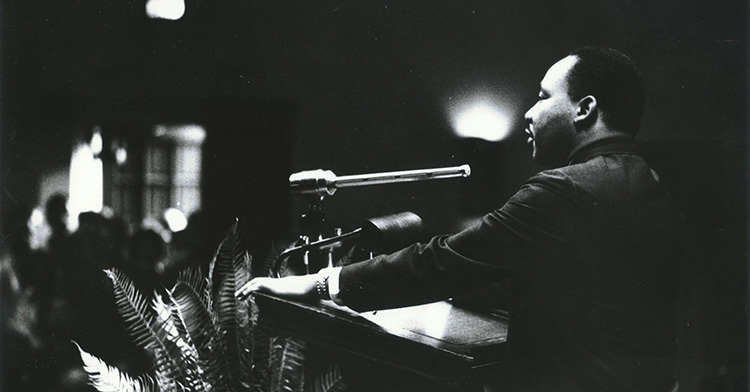
Martin Luther King Jr. is a hero who was also human
The people we admire must reflect a faithful commitment to ongoing spiritual formation despite their flaws. That is more important than perfection, a Methodist pastor writes.
By Justin Coleman
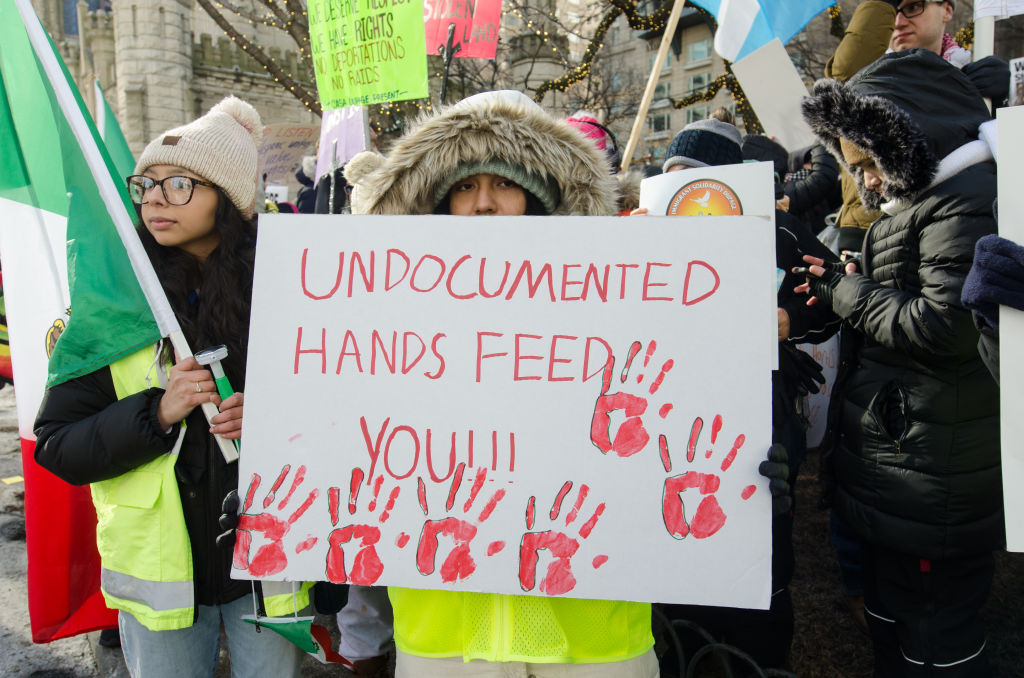
Churches and immigration: The clarity of Jesus’ call
Eight years ago, two congregations in Chapel Hill, North Carolina, worked together to provide sanctuary to a woman facing deportation. A pastor deeply involved in that effort looks back on the experience and considers what recent government actions mean for Christian commitment to the vulnerable.
By Isaac Villegas

MLK Day and the inauguration: Looking forward, looking back
The convergence and contradictions of the Martin Luther King holiday and the second inauguration of Donald Trump reflect a decidedly American pattern, writes the co-executive director of MLK50.
By Adrienne Johnson Martin
Before you go
When injustice erupts hundreds of miles away, how quickly do we tell ourselves it’s not our concern? As we celebrate King’s legacy, let’s also discern the ways we can use our time, money and networks to promote a more equitable world. Answering the call for justice will look different for every congregation. Some churches will work on affordable housing. Some will work to reduce human trafficking. Others will focus on criminal justice reform or food insecurity. What would it look like for your congregation to take seriously the idea that “injustice anywhere threatens justice everywhere”? What seemingly faraway problem might God be calling you to address?
You can always reach me and the Alban Weekly team at alban@duke.edu. Until next week, keep leading!

Prince R. Rivers
Editor, Alban at Duke Divinity