

During the COVID-19 pandemic, serious questions arose about congregational resilience. It was not clear whether some churches would overcome the dramatic changes brought on by a global health crisis. Six years later, the issue of institutional resilience remains a critical area for ministry leaders to address. The political climate in our country has become increasingly polarized. Fewer people are choosing to attend seminary. And congregational membership has fallen below 50% in America for the first time in 80 years. Under these circumstances, we know that congregations will change. But how can we build them to last? What are the markers of vital congregations?
The data paint a sobering picture. The 2020 Faith Communities Today survey — the largest study of American congregations ever conducted, with more than 15,000 participating churches — found that median worship attendance dropped by more than half over 20 years, from 137 to just 65 worshipers. (Note: The median is the midpoint of the distribution, which means that half of congregations in the study now have fewer than 65 worshipers, and half have more.) For the first time in two decades, the median change in five-year attendance turned negative.
Yet here’s what’s surprising: roughly one-third of congregations surveyed reported that they are not just surviving but thriving. The researchers found that these vital churches share common characteristics that have little to do with size, budget or denominational affiliation. The factors that most significantly correlate with congregational vitality include:
- Vision, mission and discernment – Clarity about purpose and direction
- Leadership and organization – Both pastoral fit and adaptive structures
- Change readiness – The capacity to innovate without losing identity
- Outward focus – Community engagement and missional orientation
- Spiritual practices – Intentional formation and discipleship
To be resilient in the face of new and daunting challenges, more congregations need to focus their energy on these key areas. As we move into this new year, it might be a great time to bring your leaders together for honest self-reflection. We can’t predict the future, but the more resilient we are, the better we can handle the future.
Resources

More congregants joined churches from 2020 to 2025 than in previous years
The COVID pandemic may have caused a bump in church attendance, researchers say, but new attendees have varied reasons for joining churches.
By Yonat Shimron

Understanding people’s engagement with religion is far more nuanced than current conversations would indicate
Two of the nation’s leading experts on people who have disengaged from organized religion say that trend is both more complex and simpler than some church leaders realize.
Q&A with Ryan Burge and Tony Jones

Why is a business model important for a ministry?
The new executive director of any ministry needs to understand the organization’s finances. That includes how money is raised and spent as well as the economics of the people involved, writes the executive director of Leadership Education at Duke Divinity.
By David L. Odom
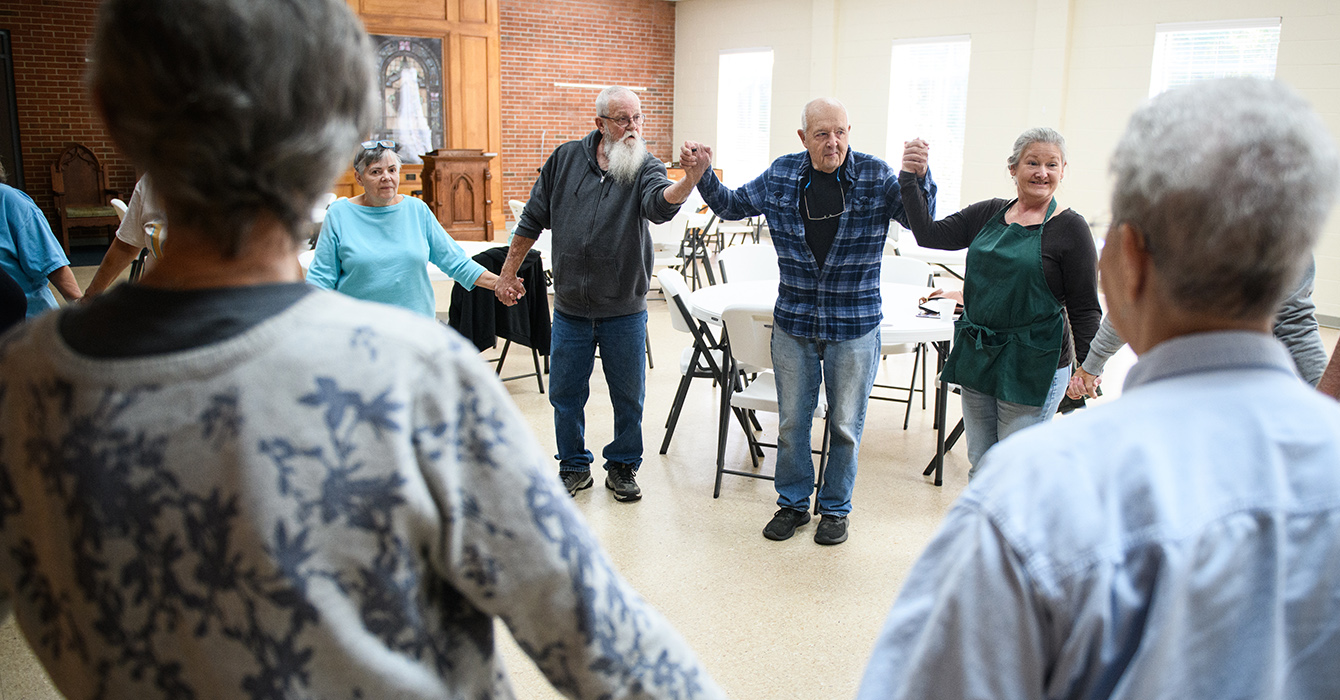
A food ministry in a tiny, rural town has helped hold a United Methodist church together across denominational divides
Volunteers from a small North Carolina church feed their neighbors each week with a hot meal and companionship in an outsize effort to the community.
By Yonat Shimron
Before you go
Like a tree that bends rather than breaks in a storm, resilient institutions possess a kind of flexibility that allows them to absorb shocks without shattering. But resilience isn’t just about surviving. It’s about growing stronger through adversity. We all understand that churches have survived empires, plagues, schisms, reformations and depressions. But in the moment, these experiences can seem overwhelming. If that’s where you are today, you’re not alone. You’re also not without resources. Once you know the key characteristics that promote congregational vitality, you can begin to build teams and systems that will help the church thrive long past your tenure. The work isn’t easy, but it’s worth the effort.
You can always reach me and the Alban Weekly team at alban@duke.edu. Until next week, keep leading!

Prince R. Rivers
Editor, Alban at Duke Divinity