

Few decisions carry more spiritual weight or more emotional complexity than the choice to leave or remain at a church. For some ministers, the choice does not rest solely or even primarily in our hands but requires conversation with denominational leadership or other governing bodies.
But for those of us who do have the freedom to initiate the search for a new call, Scripture offers examples of both staying in place and leaving that can justify either decision. Abraham left his homeland at God’s call (Genesis 12). Paul stayed in Corinth despite opposition when God told him, “[T]here are many in this city who are my people” (Acts 18:10, NRSVUE). So how do we discern faithfully whether we should go or stay?
The church is more than a Sunday gathering. It is a place of covenant, memory and belonging. Yet for many clergy and lay people, seasons of disconnection, conflict or shifting vision can prompt honest discernment about whether staying continues to nurture one’s faith or whether God may be inviting you to serve elsewhere.
Navigating this tension requires both courage and clarity. It is so important to distinguish between staying that deepens one’s faith and staying that stagnates it, and between leaving that honors one’s calling and an exit that allows you to run from hard truths.
In recent years, this discernment has become even more complex. Changing institutional dynamics, evolving generational expectations and the lingering effects of the COVID-19 pandemic have reshaped how people engage with congregational life.
Therefore, when we are discerning whether to remain in or to leave a community, we need to keep a few things in mind. Sometimes the impulse to leave is rooted in pain, such as interpersonal conflict. Sometimes, it arises from possibility, such as sensing a new calling in a context that better aligns with one’s values.
In each case, we need to be emotionally honest, theologically reflective and constantly in prayer. If you’re wrestling with the question of whether to leave or stay, look for additional guidance in this week’s resources to help you navigate this process with wisdom and grace.
Resources

Rooted in Christ: Why Protestant clergy need the Spiritual Exercises of St. Ignatius of Loyola
Inspired by a recent retreat, a United Methodist pastor writes about his experience and how the value of Ignatian practices extends across faith traditions.
By Justin Coleman
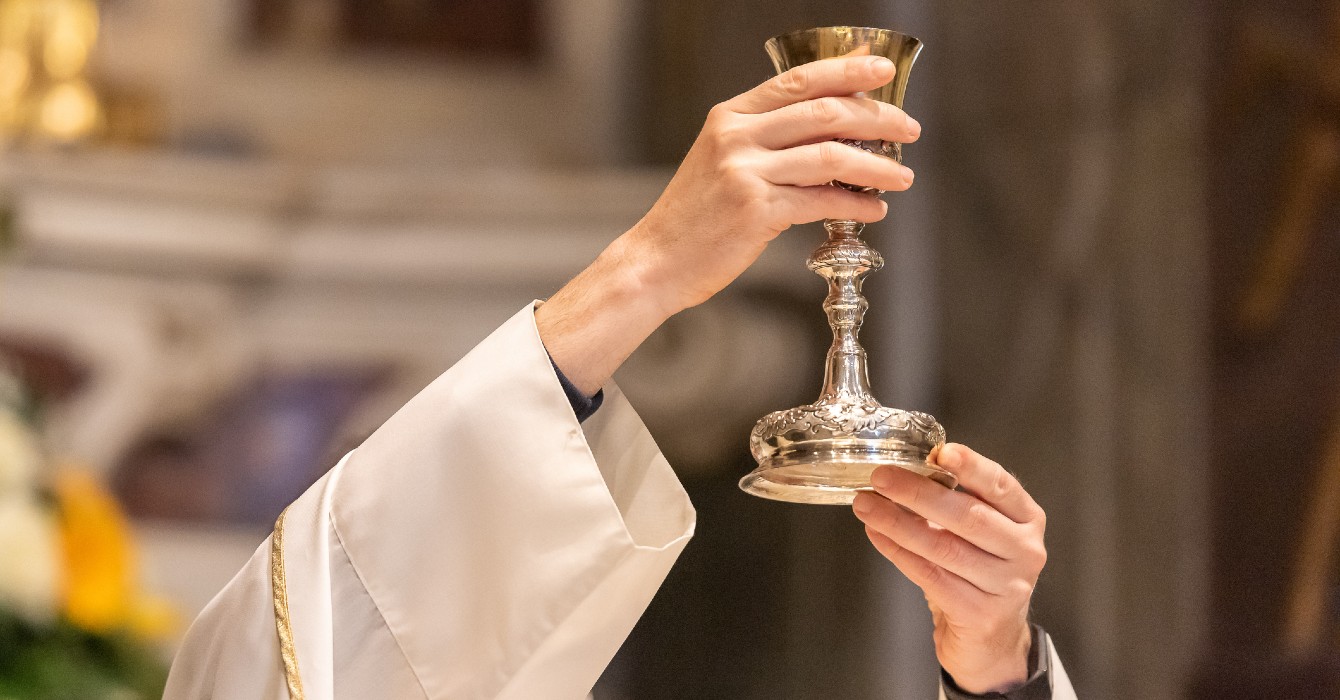
Listening with our bodies for God’s voice
In a culture that often views decisions made with the head as most reliable, what insights might our bodies provide in the process of discerning God’s will?
By Katie Bracy

Bivocationalism has historical roots — and modern benefits
As church size declines, more pastors pursue second (and even third) careers for economic or personal reasons. Researchers and practitioners share guidance on how to make it work, advising that letting go of the stigma can be a first step.
By Leslie Quander Wooldridge

Aligning our abilities with God’s purposes
Understanding how we make a difference in the world can be crucial to hearing our call, writes the executive director of Leadership Education at Duke Divinity.
By David L. Odom
Before you go
On the website Practicing Our Faith, Dorothy Bass says this about discernment: “The aim of discernment is to enhance one’s participation in the work of God, for the glory of God and the healing of the world. There is no method that guarantees how the Spirit will be discerned because the Holy Spirit can’t be captured in a formula.”
I couldn’t agree with Bass more. When we discern, we are not charting new territory. We are joining God in what God is already doing. God speaks to us in different ways, so there are different approaches to discernment. St. Ignatius offers one approach. Quakers use a practice called the clearness committee.
What is common across the different approaches is the need to be still and listen. Stillness can be hard when there are many tasks to accomplish, but Scripture tells us it is essential for hearing the voice of God. When God speaks, it’s often in the sound of a gentle whisper and not in the rumbling of an earthquake (1 Kings 19:11-13). Whatever you’re discerning today, keep listening for the sound of the gentle whisper. God is speaking.
You can always reach me and the Alban Weekly team at alban@duke.edu. Until next week, keep leading!

Prince R. Rivers
Editor, Alban at Duke Divinity