
Marius Masalar / Unsplash
The book of Ecclesiastes tells us “there is a time for everything and a season for every activity under the sun.” (3:1 NRSVUE). In our fast-paced, task-oriented culture, where we dedicate so much of our lives to our work, Ecclesiastes reminds us there also is an appointed time for rest. Leadership advice — even what you read in this newsletter — often focuses on productivity. The gift of rest, however, helps us to see the value in “being” and not just “doing.”
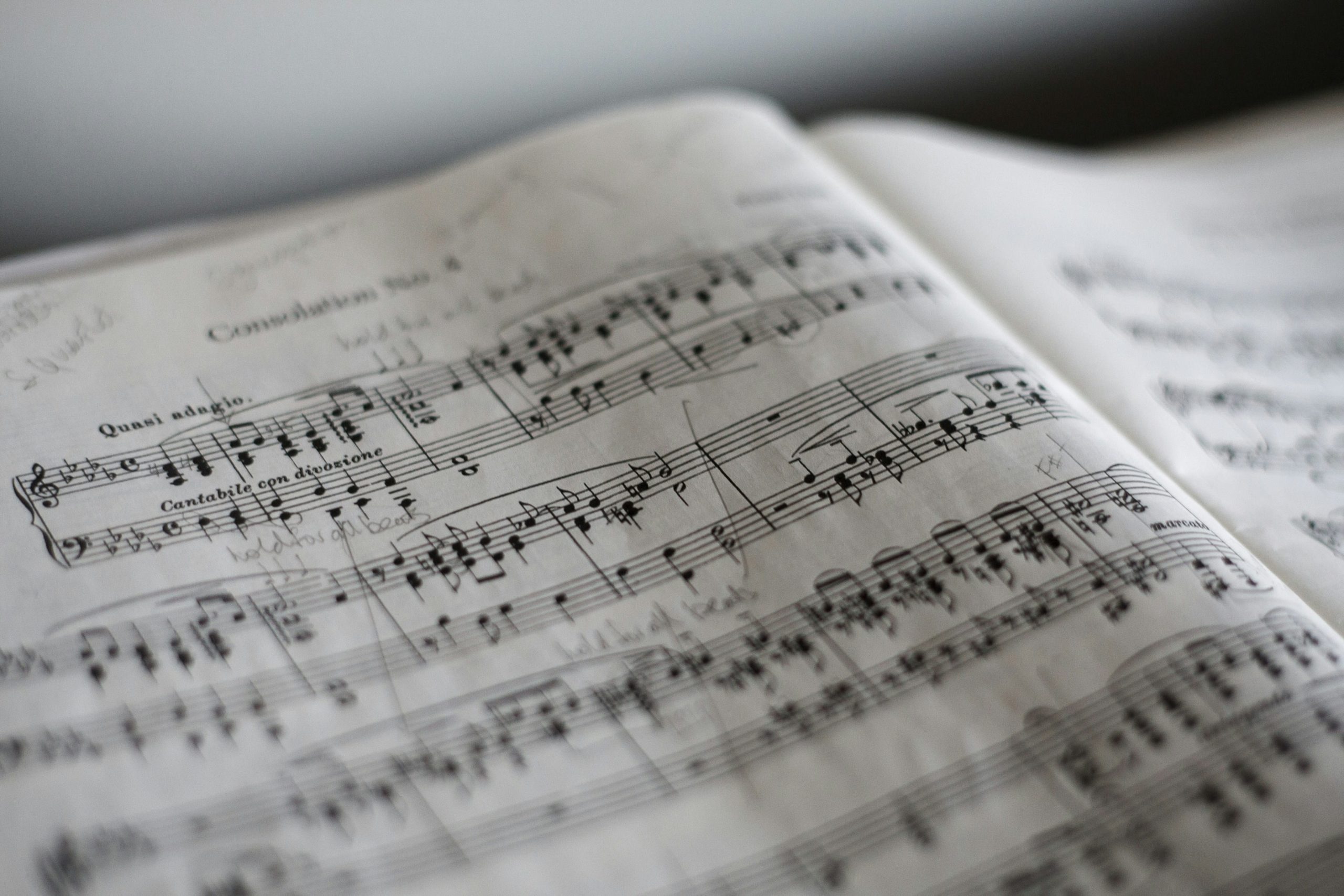
In his meditation titled “Work and Rest Are One Entity,” Howard Thurman writes, “A music score that provides for no rests, no devaluation of whole notes, would be unbearable at long last.” According to Thurman, there is a “strange magic” associated with constant activity that causes us to lose track of what we truly love.
Rest is a gift that invites us to trust God and other people. To fully embrace a period of rest, we need to step back and probably leave some work undone. A different minister with their own voice and experience will need to preach the sermon. Another administrator with a different style from our own will guide the team and solve the problems. Rest is an opportunity to share our authority with someone else so that the work continues even when we are absent.
When work and rest become alternating rhythms in our lives, both activities shape us in meaningful ways. Rest deepens our capacity to pay attention. And because rest does not always mean we do nothing, it gives us the opportunity to tap into new gifts, forgotten dreams and dormant passions.
There’s a season for every matter under heaven. Is it time for you to enter a season of rest?
Resources

Could slowing down help us both recharge and build endurance?
When runners train for a race, they are told to spend most of their time preparing at a slower pace to help them speed up when needed. The strategy offers important lessons for how we approach our work and life.
By Emily Lund

Rest can be hard work
The calls to work for justice and to make room for rest are significant and difficult to balance, writes a pastor and leader.
By Eliza Cortés Bast

Rediscovering rest in all its forms
We live in a culture of exhaustion and sometimes don’t even know what type of rest we need.
By Kerry McLeish

Sabbath isn’t easy
Young people struggle with Sabbath, in part because adults model a life of busyness, says the author of “Wrestling With Rest: Inviting Youth to Discover the Gift of Sabbath.”
Q&A with Nathan T. Stucky

Is it even possible for pastors to practice rest and self-care?
Like many essential workers, pastors are pushed to work very hard for very little. It’s no surprise that so many of us are tired.
By Carrington Moore

The purpose of rest is to enable us to work more, right?
Deeply and faithfully loving and caring for oneself is enough — it’s not just a pause between activities, writes a seminary professor and psychologist.
By Chanequa Walker-Barnes
Before you go
As you discern the seasons in your life, I’d like to mention something else about rest. Sometimes we think about rest as a tool we use to reenergize so we can do more work. But rest has its own value. Rest is good for its own sake. Rest is a spiritual discipline that forms us as people who can relinquish anxiety and embrace the faithful presence of God. Rest serves as a guardian that keeps us from making an idol of our work or the positions we hold.
When I go for a long walk, the other people on the trail do not (usually) know me as a pastor. I’m just another person enjoying Creation. A good day’s rest keeps me in touch with my frail humanity.
Let’s embrace the rhythm of work and rest so we don’t lose track of what we truly love.
You can always reach me and the Alban Weekly team at alban@duke.edu. Until next week, keep leading!

Prince R. Rivers
Editor, Alban at Duke Divinity