
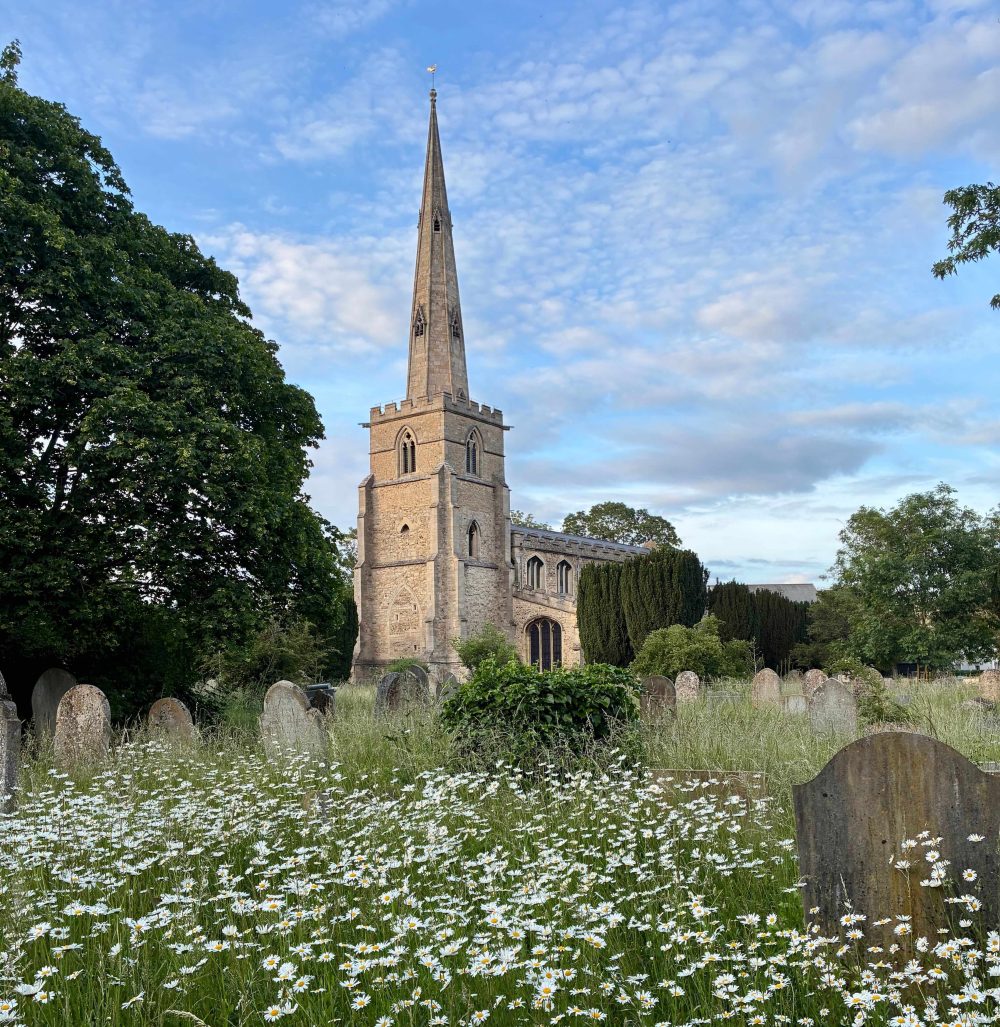
Image from A. Trevor Sutton
Prince is away this week, but will be back in your inbox next Monday, July 27. This week’s guest contributor is the Rev. Dr. A. Trevor Sutton, who serves as the senior pastor of St. Luke Lutheran Church in Lansing, Michigan. His newest book is “Between Hurry and Heaven: Recovering Purpose and Presence in a Distracted Age.” He teaches, writes and speaks frequently about technology and the church in a digital age. You can find out more at his website.
I’ve been visiting a lot of graves lately. I am currently on sabbatical in England, away from the congregation I have served for the past 14 years. I have quickly learned that I cannot get anywhere here without going through cemeteries. Back home, graveyards are sequestered spaces tucked away from daily life; here, everything runs right through the heart of historic church burial grounds.
All this time among the dead has me thinking about time, permanence and leading well. Walking through these ancient graveyards, I have noticed that the names on the headstones are weathered away. Some are knocked over or lost amid wildflowers. This raises an uncomfortable reality: My headstone will one day be an unreadable rock, my legacy lost among wildflowers.
Yet many of these illegible headstones are huddled around a still-living church community. Many of these churchyards have live and active congregations that are centuries old. Though the individuals have been lost to time, their churches can still be found gathering to worship, serve, and live together in the name of Jesus.
As leaders, we must ask ourselves: Am I laboring alone, trying to make a name for myself? Or am I laboring with others in the enduring name of Jesus – laboring at something permanent and enduring?
Resources
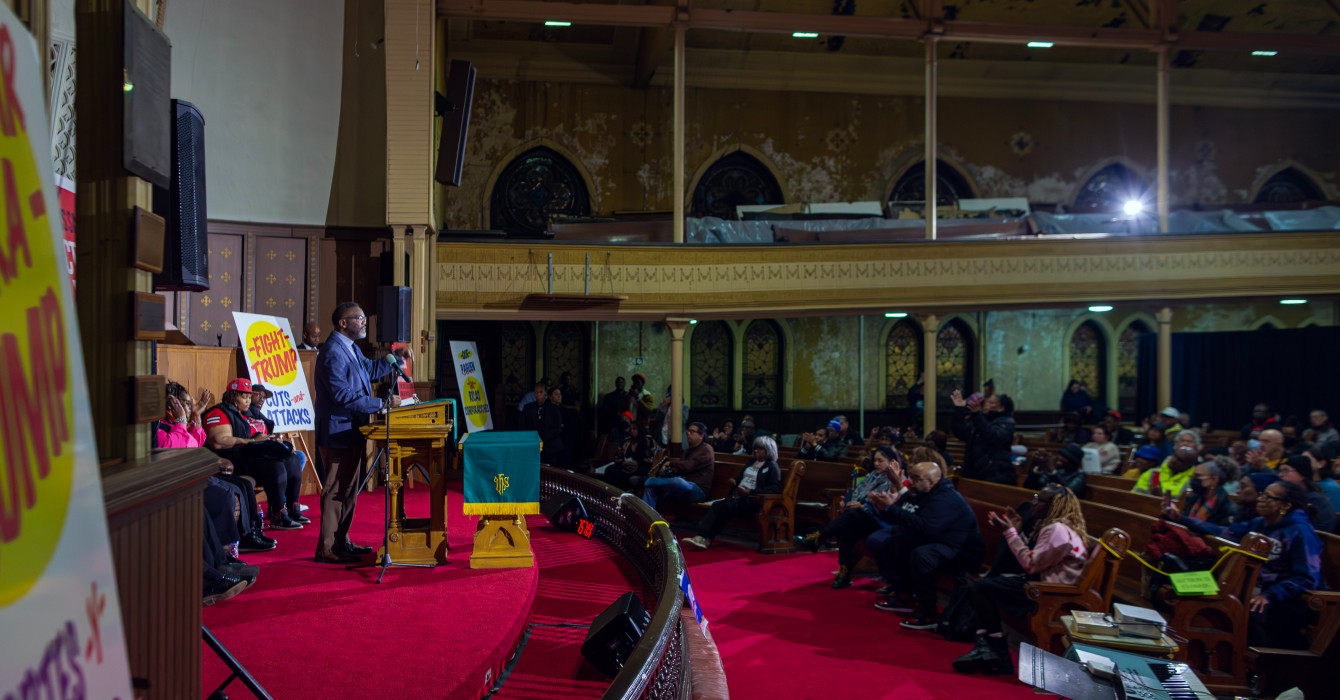
Historic church teaches about the past and engages the present
The oldest Black congregation in Chicago restores its historic building while reaching out as history is made in the city today.
By Celeste Kennel-Shank
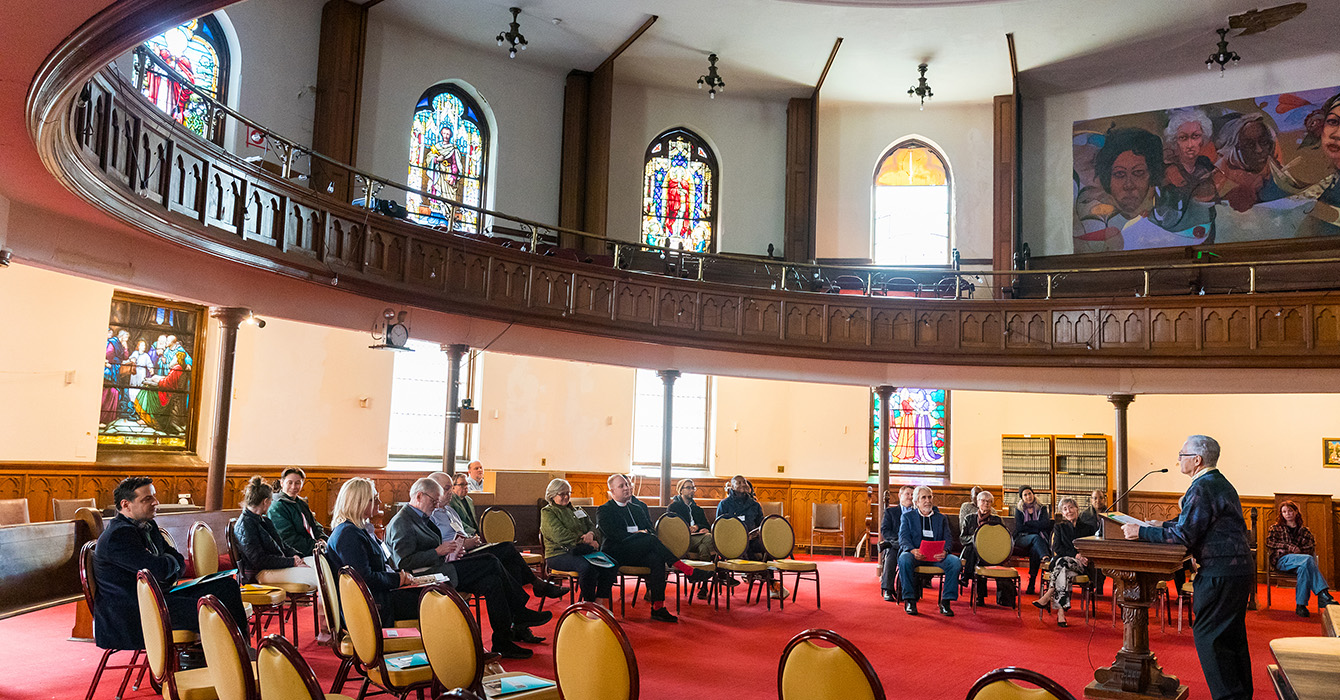
A congregation and community struggle to save their historic building
Everyone wants the same thing: to restore the beloved stone building in west Philadelphia so the community and local congregations can use it. But years of deferred maintenance, disagreements and the effects of the pandemic are forcing them to ramp up their efforts.
By Annette John-Hall
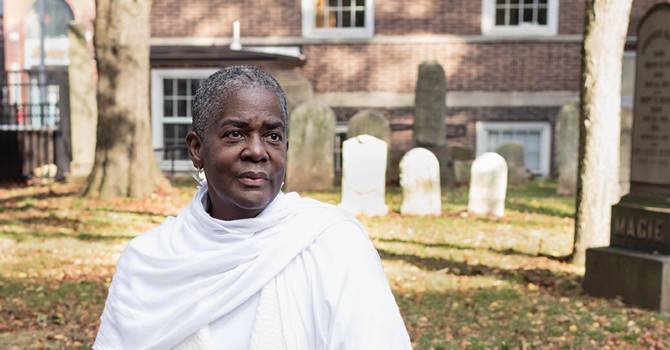
A merged congregation bonds over a project to honor the freed and enslaved Africans buried in its cemetery
A historic, predominantly Black congregation in New Jersey seeks to learn the names and stories of more than 300 unidentified souls buried in unmarked graves.
By Genine Babakian
O death, where is thy sting? A meditation on two deaths in Lent
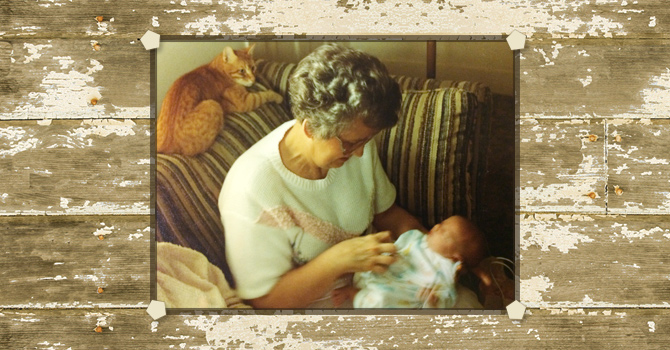
The passings four years apart of Pinky the cat and a much-loved mother has the author thinking about death and the meaning of a life.
By Jane Webb Childress
Life, against a backdrop of death
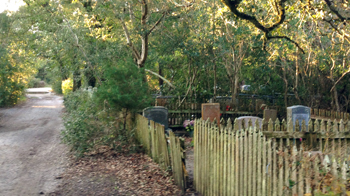
The historic cemeteries on the North Carolina island of Ocracoke prompt a pastor to consider the darkness of Lent.
By Laura Stern
Before you go
This graveyard wisdom has practical implications. Here are some questions to consider as we seek to do permanent and enduring work in the name of Jesus with others.
Who cares when you are gone? Wise leaders cultivate care for the places, people and communities they serve. Know what people care about today, but also direct their cares for tomorrow in good and godly ways.
What inheritance are you giving? It is easy for leaders to focus only on right now. Urgent demands and constant crises keep us focused on the present moment. And yet there is power in considering the long-term gifts that others will inherit through our work. What are we doing today to prepare a meaningful inheritance for those who come after us? Is our community one that the next generation would like to receive? If not, what needs to change?
What will remain centuries from now? This is a simple — and powerful — question. Much of the daily work we do will be lost in no time. What part of today’s work will persist centuries from now? What seeds are we planting today that will bear fruit generations later?
Try taking a walk through a cemetery. Those nameless stones have some wisdom to share.

A. Trevor Sutton
Pastor and writer