

Who doesn’t wish they had more resources to do more ministry? We want more people in worship. We want a bigger building to hold the people who already participate in worship. We want more parking. We want a larger budget so we can act on new ideas for ministry and mission. So we hope for more. We strategize to have more. We do capital campaigns to raise more funds. One way or another, we are determined to get past the limitations that hold us back.
In the book “A Beautiful Constraint: How to Transform Your Limitations into Advantages, and Why It’s Everyone’s Business,” Adam Morgan and Mark Barden challenge us to reframe the way we think about limitations. Constraints, the authors say, are often the key to innovation, not a barrier to it.
Scripture bears witness to this idea in several places, including the story of Jesus feeding the 5,000. The disciples wanted Jesus to send the crowd away because it was late in the day. Jesus knew the people were hungry, so he told the disciples to feed them. Given the size of the crowd and their meager supplies, the disciples told Jesus they could not do that.
While the disciples’ response sounds reasonable, Jesus instructs them to borrow a kid’s lunch, and he uses those limited rations to miraculously feed the crowd. Like the disciples, we can get stuck in what constrains us as leaders. “A Beautiful Constraint” asks us to overcome these limitations with “propelling questions.” A propelling question is a bold ambition that acknowledges a significant constraint. For example, how do we build a transformational youth and children’s ministry — without a paid youth minister?
Without a doubt, constraints are real, and we need to acknowledge them. But what might happen if we asked different questions and looked for potential innovation? Like the disciples, we might witness God do something that is beyond what we can imagine.
Resources
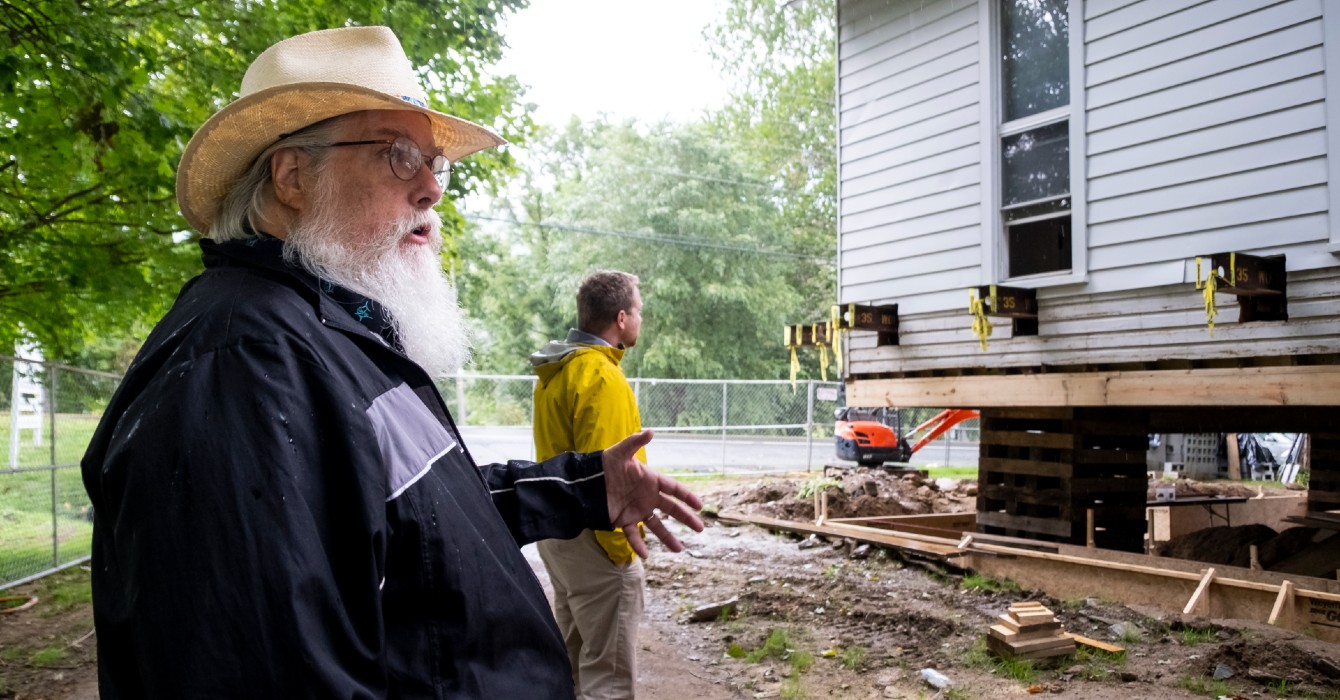
One year after Hurricane Helene, two churches share space and a renewed sense of mission
Two congregations, one United Methodist and the other Episcopal, have worked together since the devastating storm flooded one church and turned the other into a community relief center.
By Stephanie Hunt
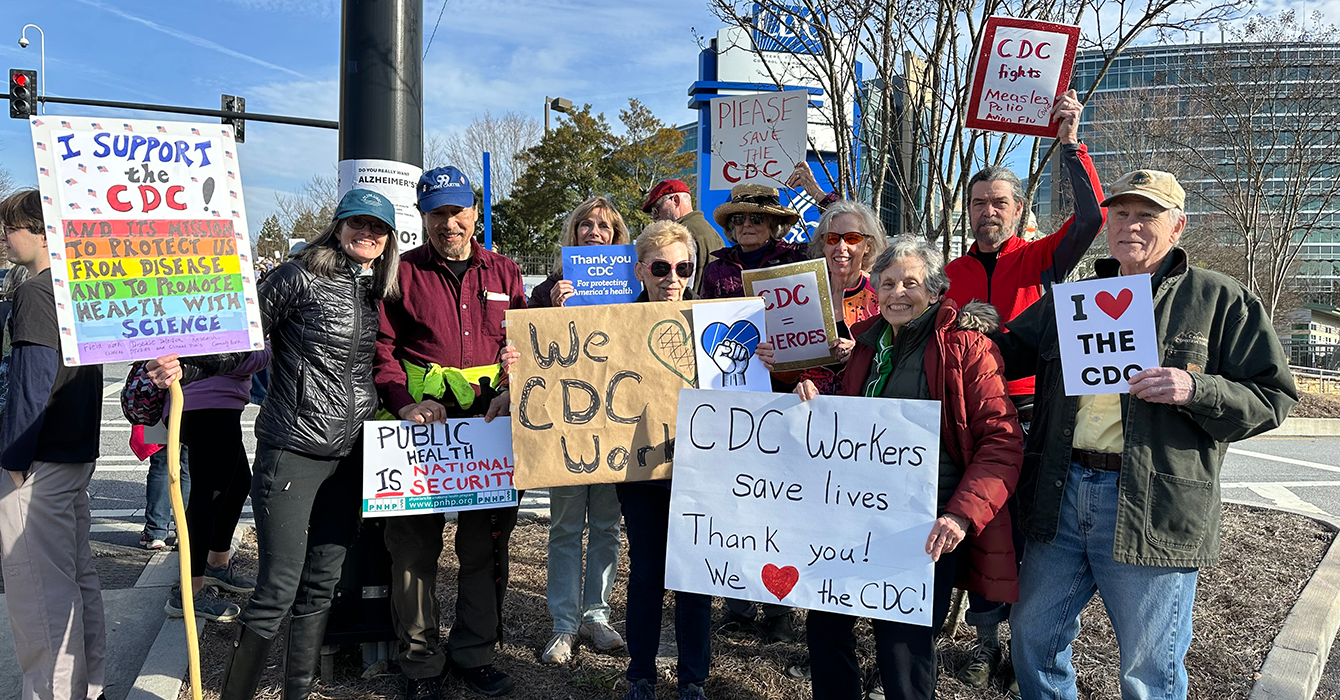
How do you care for federal workers losing their livelihoods and vocations?
Soup, a reserve fund and protests — these are some ways that a church in Atlanta is responding to families reliant on jobs at the Centers for Disease Control and Prevention.
By David Lewicki

The how of asking good questions
Christian leaders spend their workdays asking questions, but few are trained in how to ask good ones. Good questions are powerful tools for building relationships, assessing needs, creating an atmosphere of inquiry and imagination, and charting a way forward.
By Gretchen E. Ziegenhals

Avoid an ‘orthodoxy of nostalgia’ by changing your organization’s language
Transforming “We can’t because …” into “We can if …” offers space for creative problem solving, conversation and abundance, writes the managing director of grants at Leadership Education at Duke Divinity.
By Victoria Atkinson White
Before you go
A shepherd’s staff parts the Red Sea. A handful of disciples turn the world upside down. A widow with a few days’ supply of oil and flour witnesses God’s miracle of abundance. What if we talked about the limitations we face as invitations? When the litany of constraints comes up in the next meeting, what if we embraced them and saw them as opportunities for God to do something extraordinary? Your small congregation isn’t too small — it’s intimately sized for deep community. Your limited budget isn’t restrictive — it’s an opportunity for creative faithfulness and radical dependence on God’s provision. Ministry flourishes not when we have everything, but when we offer everything we have to the God of multiplication.
You can always reach me and the Alban Weekly team at alban@duke.edu. Until next week, keep leading!

Prince R. Rivers
Editor, Alban at Duke Divinity