
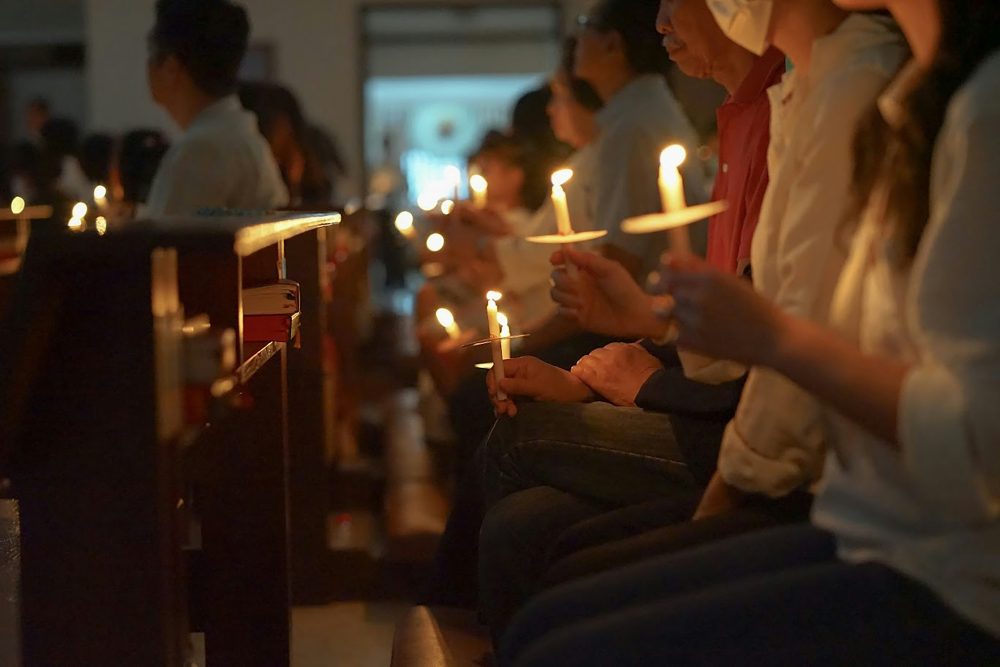
Ichida Sonny / Unsplash
A quick glance at the headlines will tell you we are dealing with a pervasive sense of instability in our culture, our politics and our world. Political polarization dominates public discourse. The global economy keeps even the brightest economic minds guessing about what’s next. Geopolitical conflicts have turned longtime allies into cautious, even wary, acquaintances.
The word that defines our current reality is “uncertainty.” Churches, regardless of denomination or location, have not been spared. For instance, from one week to the next, many congregations never know how many people will show up in the sanctuary when streaming Sunday services from home is so convenient. Leaders must operate within this air of uncertainty as they seek to be catalysts for ministry that is faithful to the gospel of Jesus Christ.
When it’s difficult to make predictions about the next 12 months, developing five-year strategic plans may not be the best way to use our time. So what should we do? How do we offer faithful leadership with a clear and credible voice when we are navigating such a confusing cultural moment?
A fundamental task of leading in this atmosphere is to lead from the perspective of hope rather than fear. It’s tempting to concede the high ground of hope to the fears that constantly send us messages about how bad things are and how unlikely they are to improve. Yet hope is not about ignoring the facts. Hope acknowledges the facts — and then calls us to do the hard work of creating change.
Resources
A recipe for thriving rural congregations despite shifting demographics
Faced with declining attendance and aging membership, rural pastors can invite reflection on congregational history and community needs to adapt for new opportunities.
By Trisha Wheelock
The hard and surprisingly hopeful lessons for churches five years after COVID
Pastors share what they’ve learned about their congregations, about the work of the church and about themselves five years after the pandemic forced most to close their doors.
By Edie Gross

The future of faith is listening
While national studies can give us a broad picture of religion in the U.S., effective faith leaders must listen to the actual people in their local contexts.
By Josh Packard and Megan Bissell

What is “responsible hope”?
Hope is not a can-do attitude. Nor is it something with which God infuses us. Rather, it is a sense of possibility that can be fostered through practices of attentiveness.
Q&A with Ellen Ott Marshall
Before you go
Of course, when you’re leading in uncertain times, there are other things to keep in mind besides hope. You should communicate clearly and often. You should experiment with new approaches. But if you are not grounded in hope, what will you communicate? If you are not grounded in hope, what will you do when the first few experiments fail? For Christians, hope is not wishful thinking. Hope is confident trust in the God who calls and provides.
Recently someone shared a piece of wisdom with me that they learned from a spiritual mentor. They told me, “God sees around corners.” I think this is a good description of hope. Although we live and work in uncertain times, we continue the good work of the kingdom with confident expectation that we are following a God who sees around corners.
You can always reach me and the Alban Weekly team at alban@duke.edu. Until next week, keep leading!

Prince R. Rivers
Editor, Alban at Duke Divinity